Ghost Cartridges: Why Gen Z Can't Stop Obsessing Over Games That Never Made It Out Alive
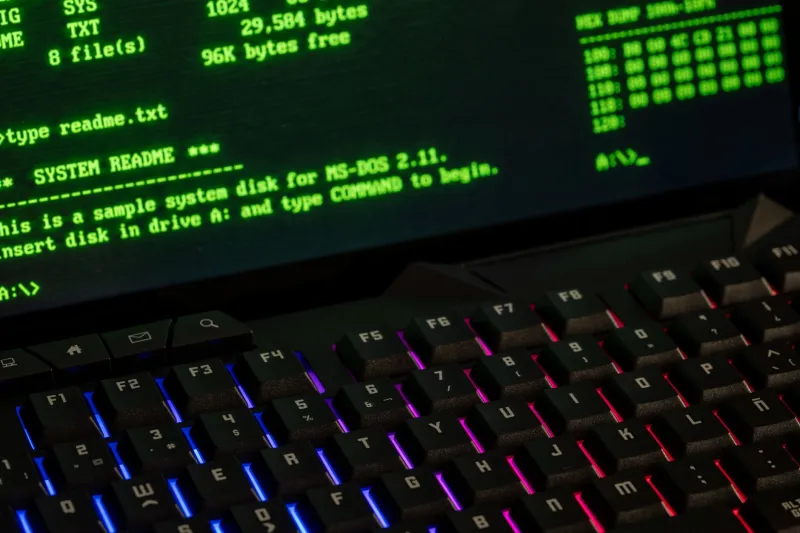
There's a build of a mid-2000s platformer floating around collector forums right now. It has no official name — just an internal codename stamped in the corner of a debug menu. The character models are placeholder cubes with googly eyes slapped on. Half the levels don't load. And people absolutely lose their minds over it.
Not because it's good. Because it's real in a way finished games rarely are.
This is the cult of the abandoned — a growing, genuinely passionate corner of gaming culture obsessed with canceled titles, leaked prototypes, and developer passion projects that got quietly smothered before they ever saw a shelf. And in 2024, that cult has gone fully mainstream.
The Appeal Nobody Expected
Here's the thing about a polished retail release: by the time it reaches you, it's been sanded down. The weird ideas got cut in QA. The ambitious mechanic that didn't quite work got patched out. The rough edges that made it feel human got buffed into something safe and marketable. You're playing the approved version of someone's vision.
A prototype doesn't have any of that. It's a developer's brain dumped raw onto a disk. You can see the arguments they were having with themselves — the placeholder text that says things like "FIX THIS IT LOOKS STUPID," the half-built systems that hint at ideas way bigger than the game that eventually shipped, or didn't ship at all. It feels like reading someone's diary versus their published memoir.
For a generation raised on behind-the-scenes content, developer commentary tracks, and parasocial relationships with creators, that unfiltered access is intoxicating.
"A canceled game is basically a director's cut of something that never got censored by the studio," says Marcus, a 22-year-old collector from Austin who runs a Discord server dedicated to tracking down unreleased builds. "There's no marketing department version of it. It's just the idea, naked."
The Hunters
Finding these things isn't easy, and that's part of the draw.
Collectors and digital archaeologists spend years cultivating relationships with former developers, hunting through old warehouse sales, bidding on lots of dev kits from estate auctions, and trading leads in private channels that feel more like spy networks than gaming communities. The thrill is genuinely comparable to record digging — except instead of a rare pressing, you're looking for a hard drive that might have a playable build of a game that was announced in 2003 and quietly disappeared six months later.
The Hidden Palace project is probably the most visible example of this culture operating at scale — a dedicated team that has surfaced hundreds of prototype builds over the years, including early versions of iconic titles that look almost nothing like the games people grew up playing. But for every high-profile release like that, there are dozens of smaller communities chasing ghosts nobody else even knows to look for.
Jordan, a collector based in Seattle, spent three years tracking down a prototype for a licensed action game that was canceled when its movie tie-in fell apart. "The publisher doesn't care about it. The studio doesn't exist anymore. But there are like forty of us who need to know what this game was going to be," she says. "We eventually found a former QA tester who had a disc. He didn't even know people would care."
They cared. The build circulated through the community within a week.
Why Incomplete Feels More Honest
There's a philosophical argument hiding inside all of this that's worth sitting with for a second.
A lot of the games Gen Z grew up playing were products. Great products, sometimes, but products — designed by committee, tested to death, monetized within an inch of their lives. The industry has only gotten more like that since. Live service models, battle passes, games that technically never finish because there's always another season — it's a lot. Everything feels like it's been optimized for retention rather than expression.
A canceled prototype from 1999 or 2007 or even 2015 doesn't have any of that. It was made by people who believed in something enough to build it before anyone told them it had to make money a specific way. Even if it's broken, even if it's ugly, even if half the assets are clearly ripped from stock libraries — it has intent. You can feel a person inside it.
That's genuinely rare, and players are starting to recognize it.
"I've played builds that are technically unplayable," admits Dani, a game design student in Chicago who documents prototype discoveries on her YouTube channel. "Like, they crash every ten minutes. But I'll spend hours with them anyway because I'm basically doing archaeology. I'm figuring out what someone was trying to say."
The Communities That Finish What Got Left Behind
Here's where it gets really interesting: finding these things isn't always the end of the story.
For some communities, a canceled game is a starting point. Modders and fan developers take leaked builds and keep going — fixing the crashes, completing the missing levels, sometimes finishing entire games that were 80% done when the plug got pulled. There's a weird ethics conversation that lives inside this practice (who owns an idea that was never released?) but the creative output is undeniable.
A few of these fan-completed projects have become genuinely beloved. Sonic games, Star Wars titles, obscure RPGs — the list of "finished by fans" games has gotten long enough that it's its own genre at this point. And the people doing the work approach it with a reverence that's almost curatorial. They're not remaking these games in their own image. They're trying to honor the original vision, even when they have to guess what that vision was.
"You have to be a detective and a developer at the same time," says Marcus. "You're reading the code like it's a letter from someone who couldn't finish what they were saying."
The Bigger Picture
What's really happening here is that a generation raised in a culture of extreme abundance — too many games, too much content, too many options — is reaching back toward scarcity and incompleteness as a form of meaning-making.
When everything is available and finished and optimized, the thing that feels truly special is the thing that almost didn't exist at all. The ghost cartridge. The leaked build. The passion project that got killed by a corporate merger in 2006 and lives now only in the hands of forty people who care about it more than the company ever did.
There's something genuinely moving about that, honestly. These games were abandoned. And the people hunting them down, playing them, finishing them, preserving them — they're refusing to let them stay that way.
The industry moves on. The fans don't.
And maybe that's where the real history of gaming actually lives — not in the games that made it, but in the ones that almost did.