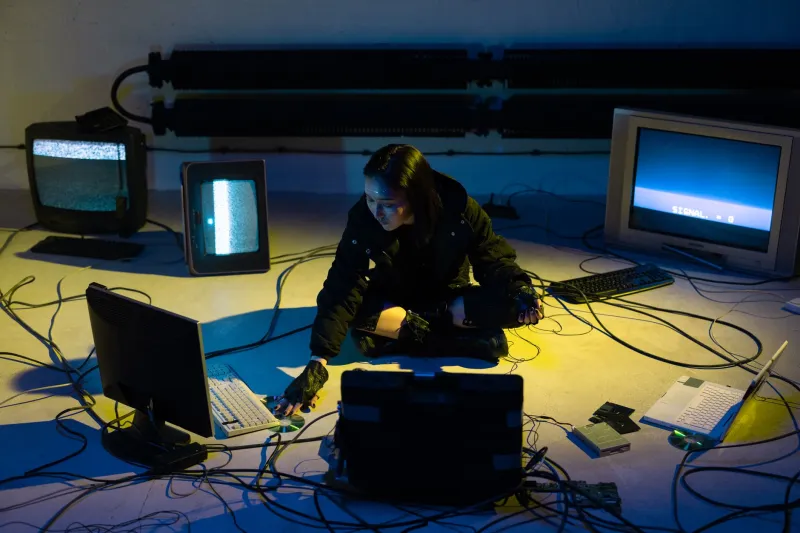
From Hold Music to Holy Music: How Vaporwave Producers Turned Corporate Sonic Garbage Into Gold
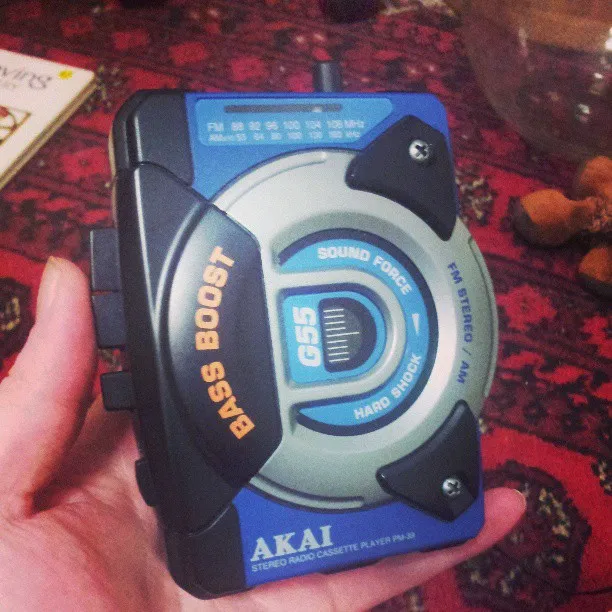
Photo: sexyninjamonkey from Sydney, Australia, CC BY-SA 2.0, via Wikimedia Commons
Picture the most aggressively forgettable sound you've ever heard. Not bad music — bad music at least wants something from you. We're talking about the stuff that exists purely to fill silence. The looping keyboard melody playing while your insurance claim gets processed. The breezy saxophone riff that accompanied every office supply catalog from 1991. The ambient synth pad that played under a corporate training video nobody ever finished watching.
Now imagine someone decided that music deserved to be saved.
That's exactly what's happening inside one of the internet's weirder and more quietly passionate corners, where a growing community of vaporwave producers, experimental composers, and digital archivists are treating corporate sonic waste like buried treasure. And honestly? They might be onto something.
The Archive Divers
The rabbit hole usually starts the same way. Someone stumbles onto a royalty-free music database — the kind that sold CD-ROMs of "background tracks" to businesses in the early 90s — and realizes the whole thing is just sitting there, unlistened to, unloved, basically invisible. Labels like De Wolfe Music, KPM, and a dozen smaller production houses spent decades cranking out functional music for elevator banks, car dealership showrooms, and corporate lobbies. It wasn't designed to be heard. It was designed to not be noticed.
Producers like Telepath テレパシー能力者, 猫 シ Corp., and dozens of lesser-known artists operating under deliberately cryptic handles have been digging through these archives for years, pulling out loops and phrases that were engineered for invisibility and asking a genuinely strange question: what if you actually listened?
The process is part archaeology, part alchemy. A producer might spend hours inside a forgotten Muzak library, isolating a four-bar keyboard figure that was never meant to stand alone, then slow it down, layer reverb until it sounds like it's coming from the bottom of a pool, and loop it until the repetition itself becomes hypnotic. What was designed to suppress feeling starts to produce feeling — nostalgia, melancholy, a weird warmth that's hard to explain.
Why the Throwaway Stuff Hits Different
There's a philosophical argument buried inside all of this, and the producers who do it are surprisingly articulate about it.
The theory goes something like this: music created with zero artistic intention carries a kind of purity. It wasn't trying to manipulate you emotionally. It wasn't trying to be remembered. It existed only to serve a function, and then it was discarded. When you strip away that original context and force someone to actually listen to it, you're essentially performing a resurrection — giving a voice to something that never thought it had one.
There's also something deeply American about the specific textures these producers are drawn to. The hold music that soundtracked the slow collapse of mid-century consumer optimism. The smooth jazz loops that played in airport lounges during the exact years when flying still felt glamorous. The synth pads from corporate motivational tapes that told workers the future was bright right before the layoffs came. Slowed down and looped, this stuff becomes almost elegiac — a ghost tour through a version of America that believed in itself a little too hard.
"It's like finding a photograph of a place that doesn't exist anymore," one producer who operates under the name Sunset Convenience wrote in a now-deleted Tumblr post that still gets screenshot-shared constantly. "The photo wasn't taken to be art. But now that the place is gone, it kind of is."
The Tape Deck as Time Machine
Part of what gives this music its texture is the deliberate lo-fi degradation built into the production. These producers aren't just sampling — they're aging the material. Running digital files through actual cassette decks. Recording outputs through cheap speakers and re-recording them. Adding the specific warble of a tape that's been rewound too many times.
The result sounds like memory itself — not a clean recollection but the fuzzy, slightly-wrong version your brain produces when you're trying to remember something from twenty years ago. It's nostalgic for experiences many listeners never actually had, which is its own kind of weird magic. People born in 2002 will tell you vaporwave makes them feel nostalgic for a mall they never visited, in a decade they didn't live through. That shouldn't work. It absolutely does.
This is where the genre gets genuinely interesting as an art form rather than just an aesthetic exercise. The source material — functional, corporate, throwaway — becomes a kind of found poetry. Producers aren't writing new emotional content; they're excavating the emotional content that was always latent in the original, just buried under the music's original purpose.
Niche But Growing
The community around this stuff is small but weirdly dedicated. Discogs pages for obscure production music libraries get obsessively annotated. Reddit threads debate the ethics of sampling music that technically exists in legal gray zones. YouTube channels with names like "Elevator to Nowhere" accumulate hundreds of thousands of views from listeners who mostly found the channel at 2 a.m. and still aren't entirely sure how.
Bandcamp has become a kind of home base — a place where producers can release meticulously assembled compilations with liner notes that read more like art criticism than music press releases. The packaging matters. Album covers lean hard into mall directories, corporate stock photography from the Reagan era, and the specific shade of teal that existed only in 1989. The whole project is multimedia, a total aesthetic environment.
What's striking is how seriously the community takes the archival dimension of what they're doing. There's a real preservation ethic at work. These producers aren't just using this music — they're documenting it, crediting obscure libraries, tracking down the session musicians who recorded these tracks and who had no idea anyone would ever care. Some of those musicians, now retired, have apparently been genuinely moved to discover that the background music they recorded for a corporate video in 1988 has a devoted fanbase in 2024.
The Weirdest Art Form Nobody Expected
Vaporwave has been declared dead approximately forty times since it emerged in the early 2010s, and it keeps not dying, which at this point is basically its whole personality. The corporate-archive-diving subgenre within it is even more niche, even more committed to its own weird logic.
But there's something genuinely resonant about the project — this idea that nothing is so thoroughly designed to be ignored that it can't eventually become meaningful. That the most functional, disposable, forgettable sounds ever recorded might contain something worth hearing, if someone cares enough to actually listen.
In a media landscape drowning in content engineered to grab your attention as hard as possible, there's something almost radical about music that was engineered to do the exact opposite — and somehow became beautiful anyway.
The elevator is still going up. Nobody's sure which floor it stops at. But the music has gotten genuinely strange, and that's exactly the point.